

À propos du livre
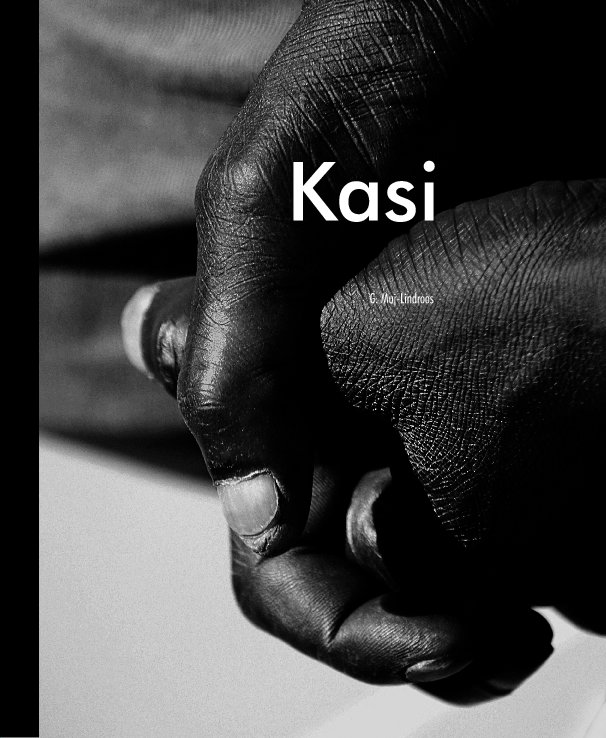
Kasi talks about the people in the infamous squatter camps, smiling and talking with optimism about the reconstruction of their old houses or shacks, getting new drainage systems, and running water. Or maybe, even new schools closer to their homes as small children in their first grades must walk 4-5 kilometres to the closest one. They want to be heard and seen, trying to lead a normal life after the fall of the terrifying apartheid system, smiling in the middle of the poverty, which many of us don’t even want to see or hear about.
Kasi comes from the Afrikaans word of locasie. It means location, it talks about where we are, who we are. It means township, township style, it describes us and our life, our life in Soweto and all the other townships we were sent to, confined to.
Kasi comes from the Afrikaans word of locasie. It means location, it talks about where we are, who we are. It means township, township style, it describes us and our life, our life in Soweto and all the other townships we were sent to, confined to.
Caractéristiques et détails
- Catégorie principale: Livres d'art et de photographie
-
Format choisi: Portrait standard, 20×25 cm
# de pages: 112 - Date de publication: avril 23, 2010
- Langue English
Voir plus
À propos du créateur

G. Muj-Lindroos
Dubai, UAE